1. Introduction: The Invisible Arms Race
The human immune system is the most sophisticated security network on the planet, a high-tech array of cellular sentinels and molecular sensors designed to identify and neutralize foreign invaders. Yet, the pathogens we face—viruses, bacteria, and protozoa—are master biological hackers. Their primary weapon is antigenic variation, a "molecular disguise" that involves systematically altering the proteins or carbohydrates on their surface.
By the time our adaptive immune system "remembers" an invader and mounts a targeted response, the pathogen has already changed its coat. This constant shifting allows microbes to persist in a single host for years or re-infect the same person repeatedly. To a molecular immunologist, this is the ultimate cat-and-mouse game. Today, we are peering deeper into the "hacker's toolkit" to understand the mechanical and genetic tricks they use—and how our newest diagnostics are finally stripping away their invisibility.

2. The Closet of a Thousand Coats: Trypanosoma brucei
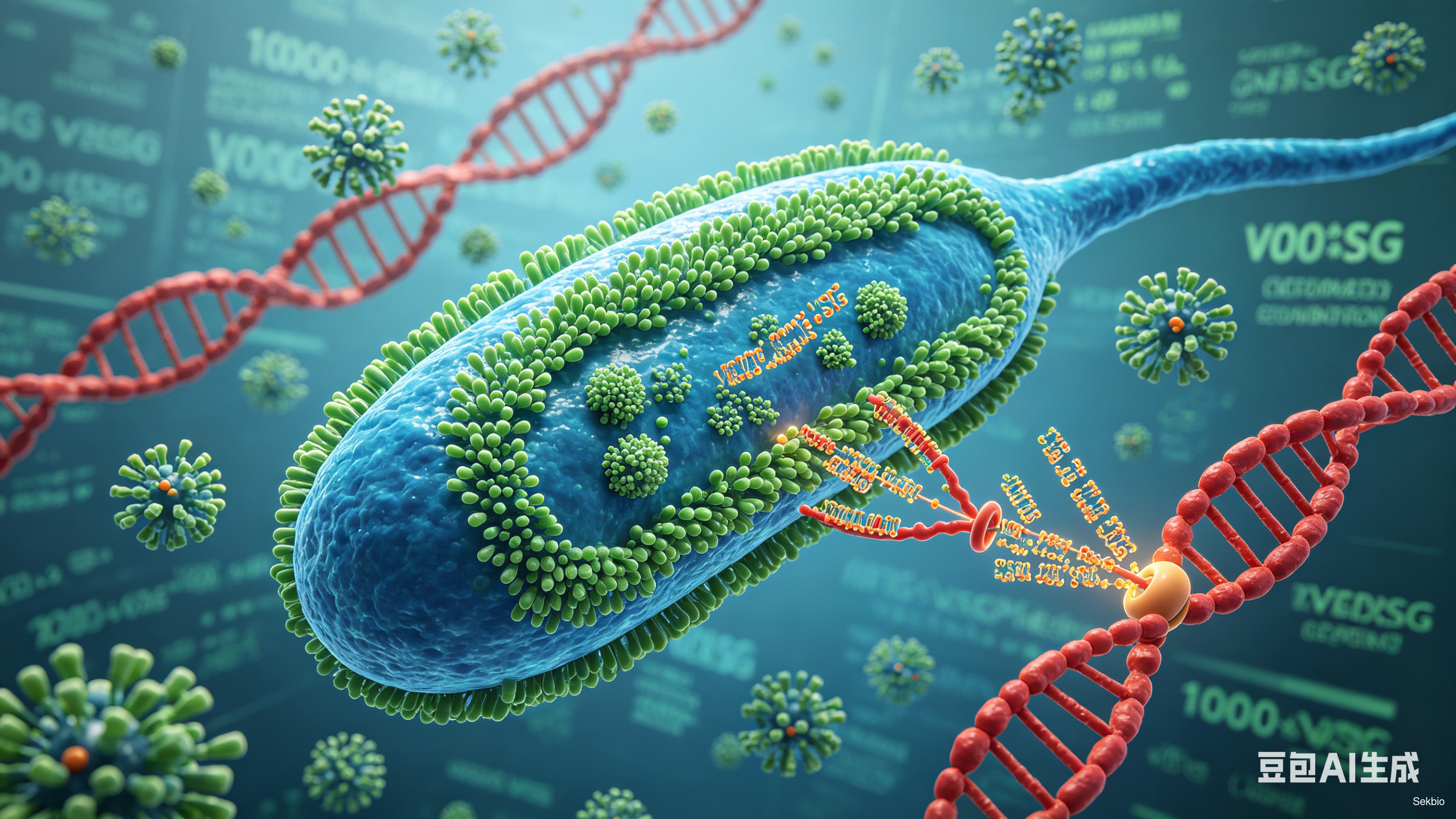
Trypanosoma brucei, the protozoan behind African sleeping sickness, is perhaps the most brazen of these hackers. It lives entirely in the mammalian bloodstream, exposed to a constant barrage of antibodies. Its solution is a dense, homogeneous coat composed of roughly 10 million molecules of a single Variant Surface Glycoprotein (VSG).
The parasite carries a massive genomic library of over 1,000 VSG genes and pseudogenes. To stay ahead of the immune system, it uses a mechanical process of homologous recombination—mediated by the interaction of BRCA2 and RAD51—to switch its appearance. Crucially, the parasite must move a new VSG sequence into an active Expression Site (ES) located at the telomeres of its chromosomes to activate the new "disguise."
"The result is that even a clonal population of pathogens expresses a heterogeneous phenotype."
Analysis
This is not a random process. The parasite follows a hierarchical activation order: telomeric VSGs first, then array VSGs, and finally pseudogenes. By maintaining this phenotypic heterogeneity through precise DNA recombination, T. brucei ensures that while the immune system wipes out 99% of the population, a handful of "recombined" variants survive to keep the infection alive.
3. Moving the Furniture: Malaria's Subnuclear Shell Game
While T. brucei physically recombines its DNA, Plasmodium falciparum (the deadliest malaria parasite) employs a different strategy: epigenetic control. To avoid splenic clearance, it uses the PfEMP1 protein to anchor infected red blood cells to blood vessel walls. This protein is encoded by a family of roughly 60 var genes.
Unlike the DNA recombination seen in trypanosomes, var gene switching is purely transcriptional. Using Fluorescent In Situ Hybridization (FISH), researchers have observed a remarkable physical phenomenon: the parasite physically relocates specific genetic material to "transcriptionally permissive" subnuclear zones to activate a new variant while keeping the other 59 genes silenced.
Analysis
This "subnuclear relocation" is a masterpiece of mechanical gene regulation. By moving the DNA furniture of its nucleus, the parasite ensures that only one version of its sticky protein is ever exposed at a time. It is a sophisticated way to manage a diverse repertoire without the risk of "showing its hand" to the host's immune system all at once.
4. The Shape-Shifter: When Dengue "Roughs Up" Its Surface
Viruses are often described as static particles, but the Dengue virus (DENV) is a temperature-triggered shape-shifter. In its mosquito vector, DENV is "smooth." However, upon entering a human host and encountering a body temperature of 37°C, the virus undergoes a dramatic structural expansion.
The E protein shell "opens up," exposing previously hidden or cryptic epitopes. Cryo-electron microscopy shows that at 37°C, the virus transitions to a "rough" state, characterized by holes at the 3-fold vertices. Interestingly, this rough expanded state represents roughly half of the imaged virus population at human body temperature.

Analysis
This expansion is likely a trade-off between structural stability and receptor binding. These cryptic epitopes are effectively tucked away in the insect-derived virus but become accessible during the human viremic period. While this expansion is necessary for infection, it also creates a vulnerability that neutralizing antibodies can exploit—provided they can "catch" the virus in its expanded state.
5. The Predictable Fugitive: Predicting HIV's Next Move
HIV-1 is the world's most unstable virus, mutating so rapidly that it often seems impossible to track. However, through the lens of immunodominance, we've learned that the immune response is often limited to just a few epitopes, which actually constrains the virus's options. This leads to what we call "predictable escape pathways."
In patients with the HLA B*27 allele, the virus consistently mutates the Gag epitope KK10 to escape Cytotoxic T-Lymphocyte (CTL) detection. It follows a roadmap: it first swaps an amino acid at position 6 (L to M), and years later, it follows with a mutation at position 2 (R to K). Because these mutations often hurt the virus's ability to replicate, it frequently develops "compensatory mutations"—secondary changes that fix the structural damage caused by the first escape.
Analysis
There is a deep irony here. The very mutations HIV-1 uses to hide are so biologically taxing that the virus's "evolutionary roadmap" becomes predictable. By mapping these compensatory chains, molecular immunologists are identifying fixed targets for future vaccines, essentially cornering the fugitive by predicting its only available escape routes.
6. Catching the Ghost: Why the "NS1" Test is a Diagnostic Game-Changer
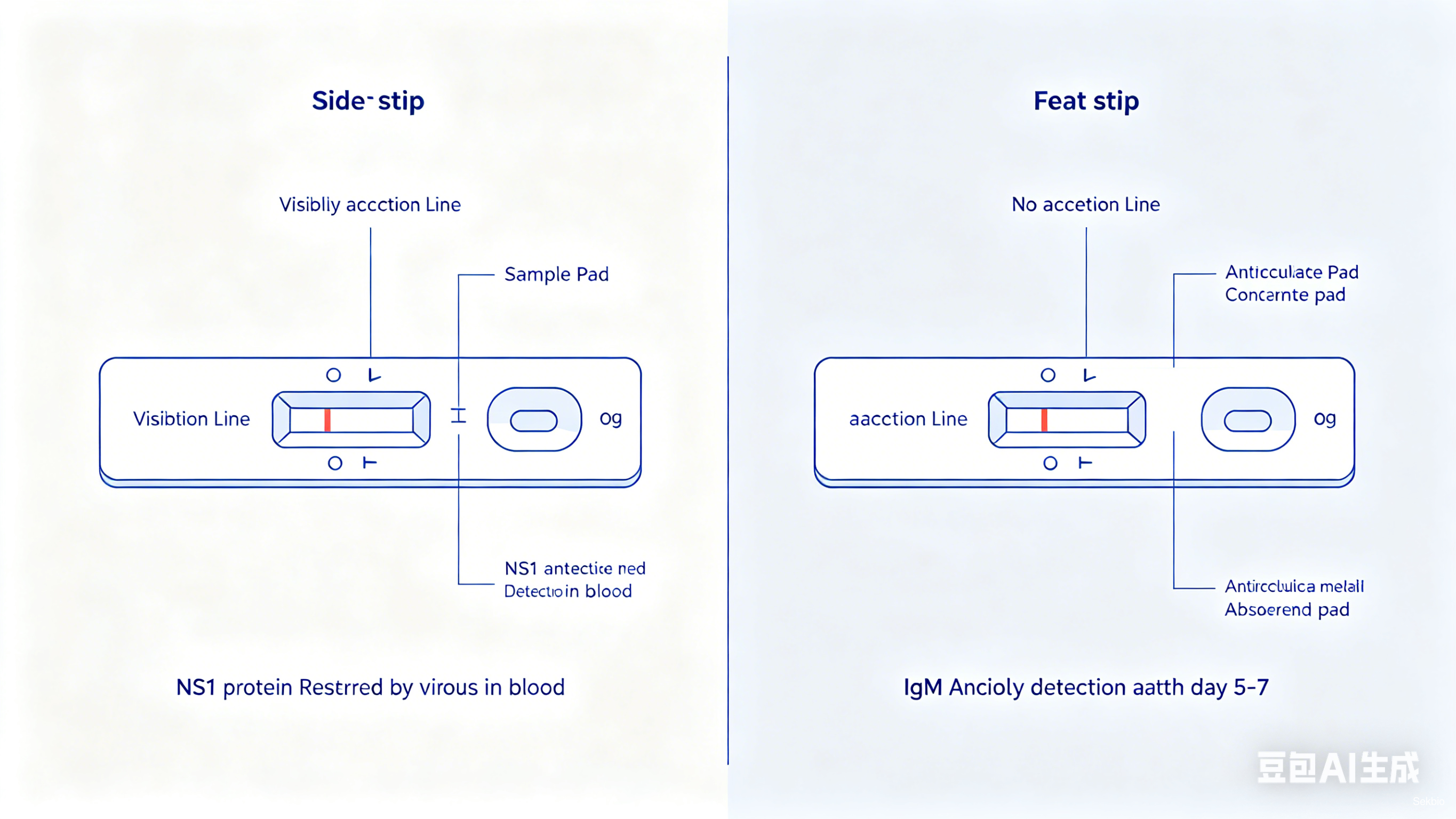
Because pathogens are so good at hiding, traditional tests that look for human antibodies (IgM) are often useless during the first few days of infection. Antibodies take 5–7 days to reach detectable levels, leaving a dangerous "diagnostic gap." The NS1 antigen test has changed the game by detecting the non-structural protein 1 that the virus actively secretes into the blood during the viremic period.
However, there is a catch: the NS1 ELISA is currently the only FDA-approved antigen test, offering high reliability for clinical diagnosis. Many rapid Immunochromatographic Tests (ICTs) are currently for "Research Use Only" and have varying degrees of accuracy.
Diagnostic Accuracy (Pooled Data)
| Test Type | Sensitivity | Diagnostic Odds Ratio (DOR) |
|---|---|---|
| NS1 (only) | 70.97% | 43.95 |
| IgM (only) | 40.32% | 8.99 |
| Combined NS1/IgM | 78.62% | - |
Analysis
The first 5 to 7 days of fever are the critical battleground. While IgM tests often fail early, the NS1 test allows us to "see" the virus on day one of symptoms. By combining NS1 and IgM detection, we can achieve a sensitivity of nearly 79%, effectively catching the "ghost" while the viral load is highest and clinical intervention is most effective.
7. Conclusion: The Future of the Chase
The arms race between our immune system and the world of pathogens is a permanent fixture of our biology. Microbes have spent millions of years perfecting DNA recombination, transcriptional relocation, and temperature-sensitive shape-shifting. However, as our molecular understanding grows, we are moving from being the "eternal pursuer" to becoming active interceptors.
By decoding the mechanics of how a parasite moves its DNA or how a virus predictably mutates its Gag proteins, we are stripping away the "great biological disguise." The question that remains is whether we can ever truly win this race, or if the sheer speed of microbial evolution means we are simply destined to get better and better at a chase that never ends.